


Two major alternatives to compressed hydrogen storage have been widely studied: chemical storage and solid-state storage.
Chemical hydrogen carriers include ammonia or formic acid. These carriers can store hydrogen in molecular form and then release it through chemical reactions as needed. This form of storage is particularly attractive for transport because hydrogen can be stored within ambient temperatures and pressures.
Another promising route is solid-state hydrogen storage, which relies on materials capable of reversibly absorbing and releasing hydrogen such as:
- Metal hydrides
- Complex hydrides
- Metal-organic frameworks (MOFs)
- Covalent organic frameworks (COFs)
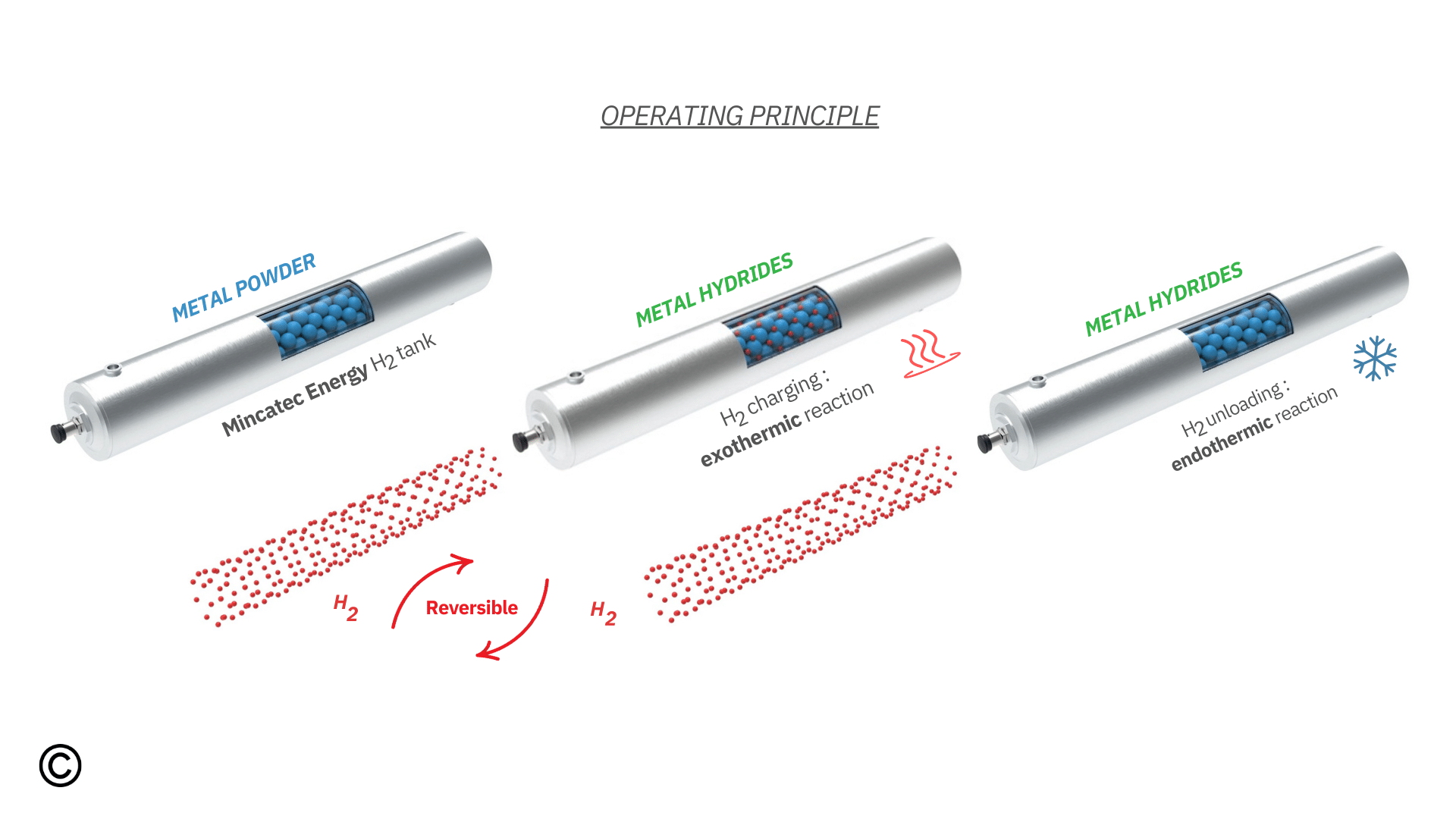
Among these materials, metal hydrides have attracted significant attention due to their ability to store hydrogen at low pressures (10 bar) while also offering stable performance over long operating periods. This can reduce operational costs and lower the levelized cost of hydrogen storage (LCOS).
However, scaling metal hydride storage systems to industrial levels and reducing capital costs remains an important challenge for the sector.
After years of research into metal hydride materials and storage systems, Mincatec Energy has developed a new solid hydrogen storage solution designed to compete with conventional compressed gas and liquid hydrogen storage.
One of the key advantages of this storage solution is that it operates as a stand-alone system that does not require an external energy supply to run, reducing the overall energy demand associated with hydrogen storage.
The system works by absorbing hydrogen into a metallic powder that forms a stable solid compound known as a metal hydride. Thermodynamic equilibrium is achieved, when temperatures and pressure are stabilized: at around 20°C, the residual tank pressure is approximately 10 bar.
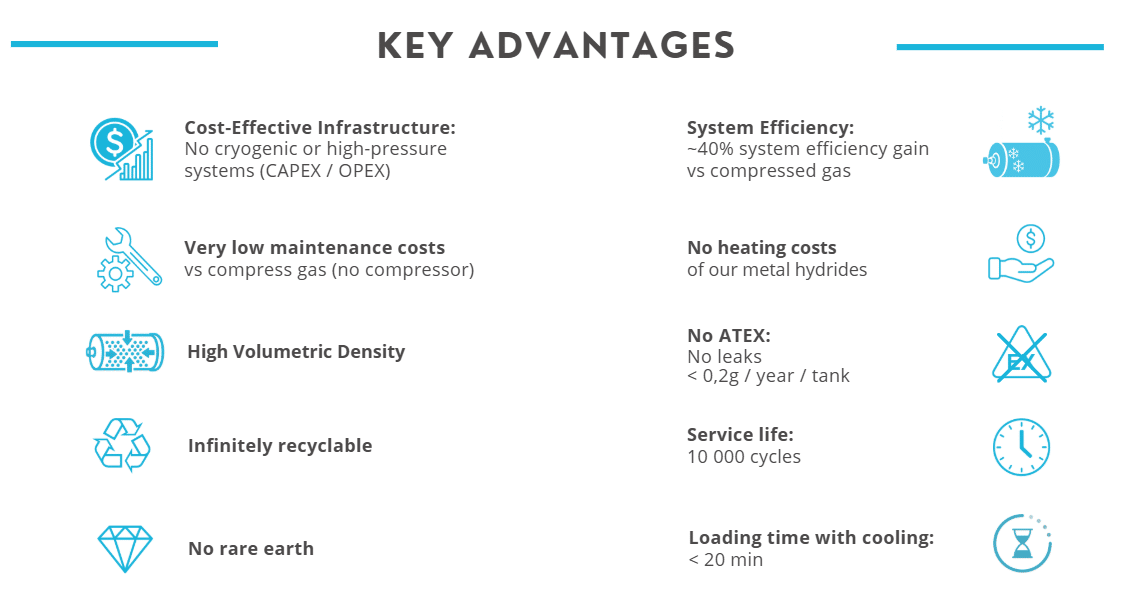
These operating conditions significantly reduce the need for high-pressure infrastructure and contribute to improved safety and system efficiency.
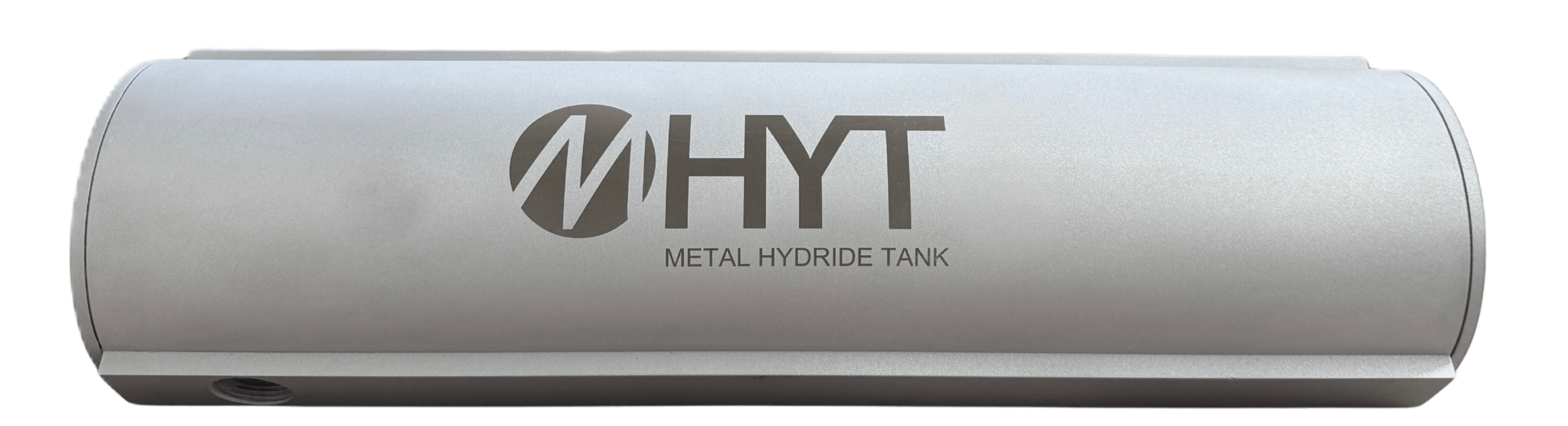
Mincatec Energy’s core activity focuses on the development and manufacturing of low-pressure metal hydride hydrogen tanks, to address mobility and stationary decarbonization needs.
As part of ongoing development work, a demonstration unit will be installed and commissioned to validate the technology at an industrial scale. The testing program includes hydrogen production trials, gas analysis, and performance testing under a range of operating conditions and feedstock types.
Key Performance Expected Results:
The metal hydride storage system will produce following results:
- 10 kg hydrogen storage capacity
- Less than 1% reduction in storage capacity after 4,000 hours of testing
- 5% reduction in the levelized cost of hydrogen storage (LCOS)
- 10% reduction in capital expenditure compared with other metal hydride solutions
- 10 bar hydrogen output pressure
These results will demonstrate the potential of metal hydride technology to offer a robust and cost-competitive hydrogen storage solution.