Hydrogen has considerable potential in industries that rely on large amounts of energy and high temperatures. For many of these industries, switching away from fossil fuels is not always an easy feat, particularly when electrification cannot meet their energy demands.
HYIELD could offer these industries a relationship that works in both directions. Residual heat from industrial processes could support the conversion of waste into hydrogen and improve the energy efficiency of its production. The resulting hydrogen could then be used on site to replace fossil fuels or hydrogen produced from fossil sources.
Cement, steel and copper illustrate how hydrogen produced from waste could respond to different industrial needs.
Cement
Cement production requires high temperatures to produce clinker, the main component of cement. The sector is the third-largest industrial energy consumer and accounts for approximately 7% of global industrial energy use.
Hydrogen can be injected into clinker kilns as a fuel and could reduce their consumption of conventional fossil fuels. Previous industrial trials have also examined whether hydrogen injection could allow higher shares of alternative fuels, including those with more difficult combustion characteristics.
Cement plants can also provide residual heat for the waste-to-hydrogen process. The hydrogen produced can then be used in the kiln, connecting its production directly with an industrial use.

Steel
Steel is another industry where hydrogen could play an important role, particularly in direct reduced iron (DRI) production. In this process, hydrogen can be used to remove oxygen from iron ore instead of relying on fossil-based reducing agents.
HYIELD explores how its hydrogen production approach could be applied to this process, including at the scale of future large DRI plants.
Copper
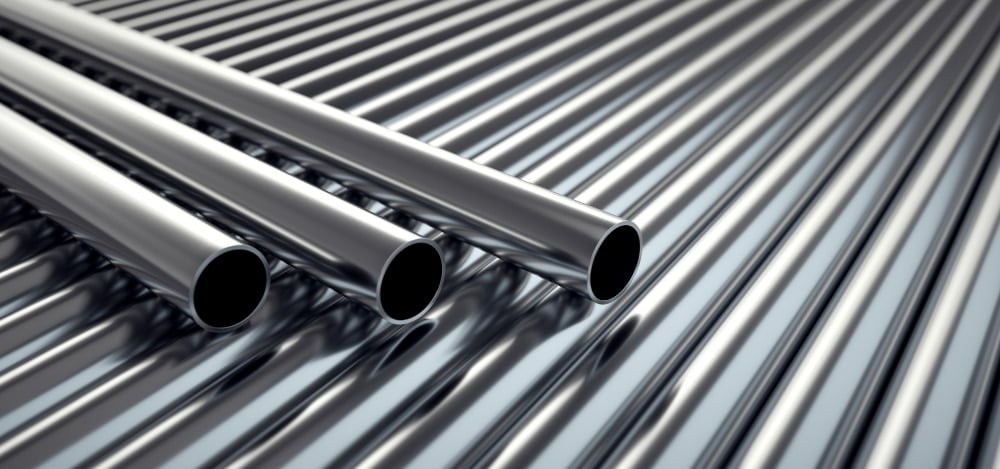
Copper production is another potential application. Melting furnaces require high-temperature energy and commonly use natural gas. Hydrogen could provide an alternative primary energy source for suitable furnaces and reduce their reliance on fossil fuel.

Beyond these sectors
Hydrogen has potential in a wider range of energy-intensive industries, creating additional opportunities for hydrogen production and supply.
Several sectors are already using hydrogen or actively assessing its integration into their processes. New cogeneration plants, for instance, are increasingly being designed to accommodate hydrogen–natural gas blends, with a minimum hydrogen content of 10% expected to become increasingly common.
In the petrochemical and chemical industries, hydrogen is a critical feedstock for the production of methanol and e-fuels, while the ceramic tile industry is considering renewable hydrogen as one of the key pathways to reduce its dependence on natural gas and decarbonize high-temperature processes.
Hydrogen also offers significant potential in mobility, particularly in heavy-duty transport, long-distance applications and other segments where direct electrification may be technically or economically challenging.
Taken together, these applications represent a broad and growing addressable market for renewable and low-carbon hydrogen, with opportunities spanning industrial heat, chemical feedstocks, synthetic fuels, cogeneration and mobility.
The project is Co-founded by Clean Hydrogen Partnership and European Commission.
Writer: Loraine Lupas
Editorial: Lucía Salinas
October, 2026