


HYIELD’s purpose goes beyond producing clean hydrogen from waste; it also aims to enhance the overall efficiency of hydrogen generation. To achieve this, the project is developing a range of advanced innovations, which we are presenting throughout this HyTech Series. Most recently, we explored the gasification stage. Building on that, HYIELD has re-engineered a key component of the sector: the Water–Gas Shift (WGS) reactor. This reactor plays a central role by converting carbon monoxide and steam into carbon dioxide and hydrogen, and HYIELD’s redesign introduces significant improvements to this established technology.
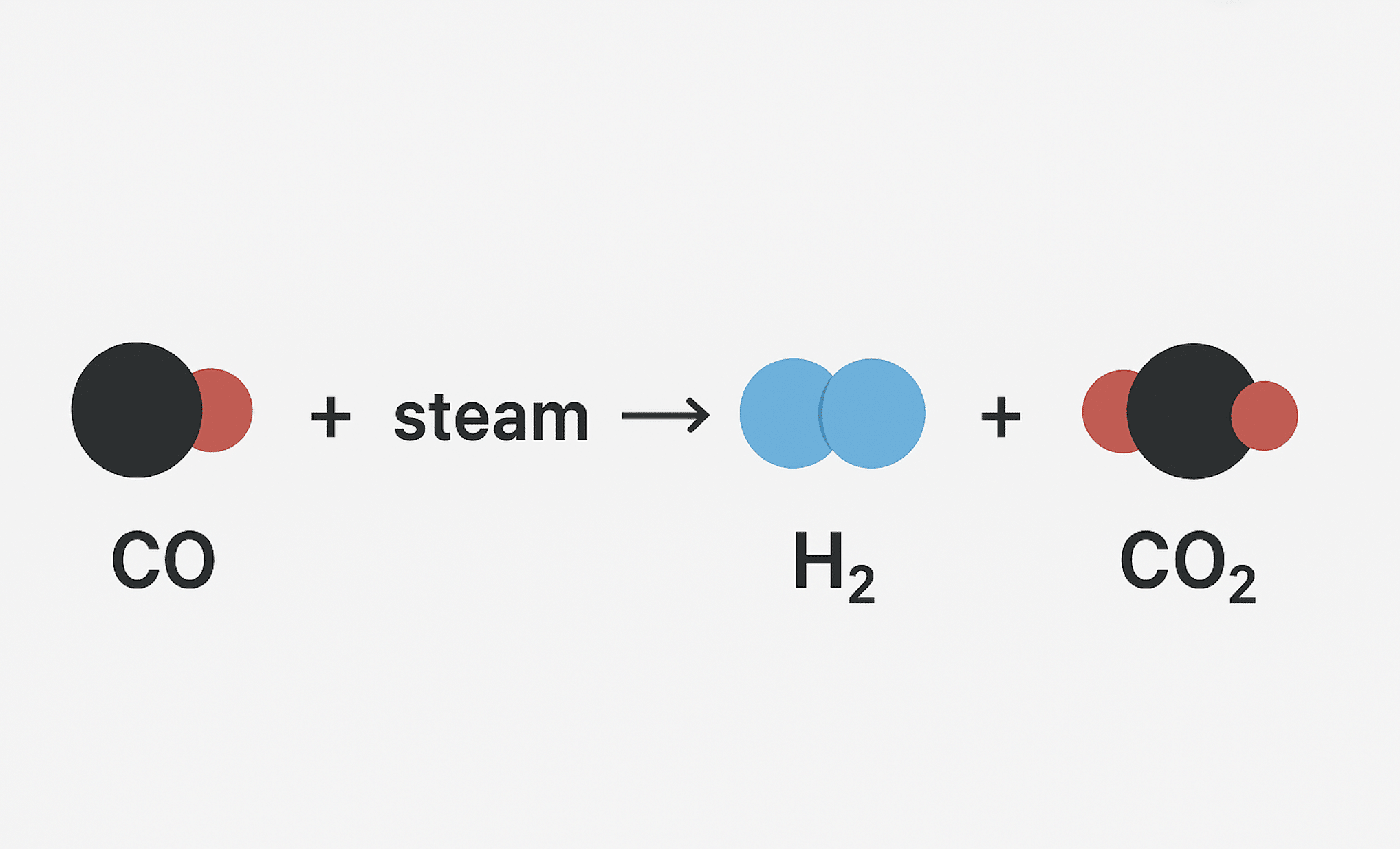
In traditional WGS reactors, the reaction process is followed by a separate purification step that adds extra time to the process, reduces efficiency, and increases the cost and complexity of hydrogen plants. This is because the water-gas shift reaction is an equilibrium-limited process, meaning the reaction stops progressing once a certain amount of hydrogen has accumulated inside the reactor. Conventional systems cannot exceed this limit, which is why the maximum CO conversion with a standard configuration reaches only about 82.8%.
HYIELD’s reactor is designed to allow the continuous movement of hydrogen, which shifts the reaction equilibrium forward and allows significantly more carbon monoxide to be converted under the same operating conditions. With this design, conversion increases exponentially, from 82.8% to around 99.6 to 99.7%, a dramatic improvement in efficiency.
HYIELD seeks to make the WGS reaction more efficient and market-friendly by incorporating new technological developments within the field. WGS reactors have undergone a metamorphosis through the integration of palladium-based membranes directly within the reaction chamber. This innovation allows hydrogen to be produced and purified at the same time, making the process significantly more efficient.
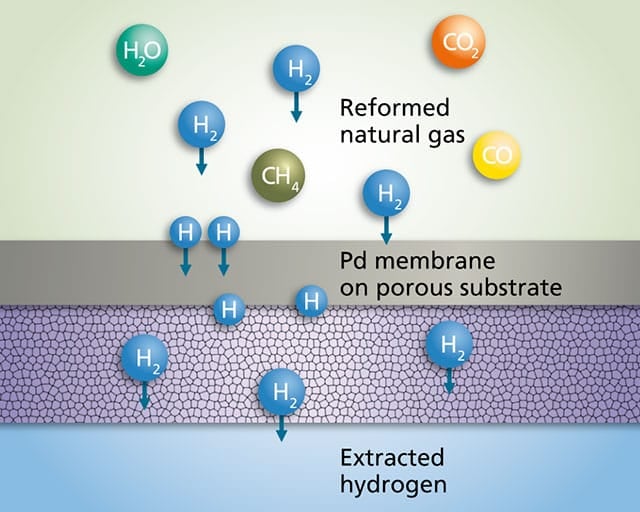
This added efficiency lies in the role of the membrane itself. Within the world of hydrogen production, a membrane is a thin, engineered barrier that selectively allows certain molecules to pass through. With palladium membranes, all gases other than hydrogen are barred from permeating through the membrane and reaching the reactor’s metal structure. This gives palladium membranes an unrivalled capacity to extract high-purity hydrogen from the reactor’s original gas inputs.
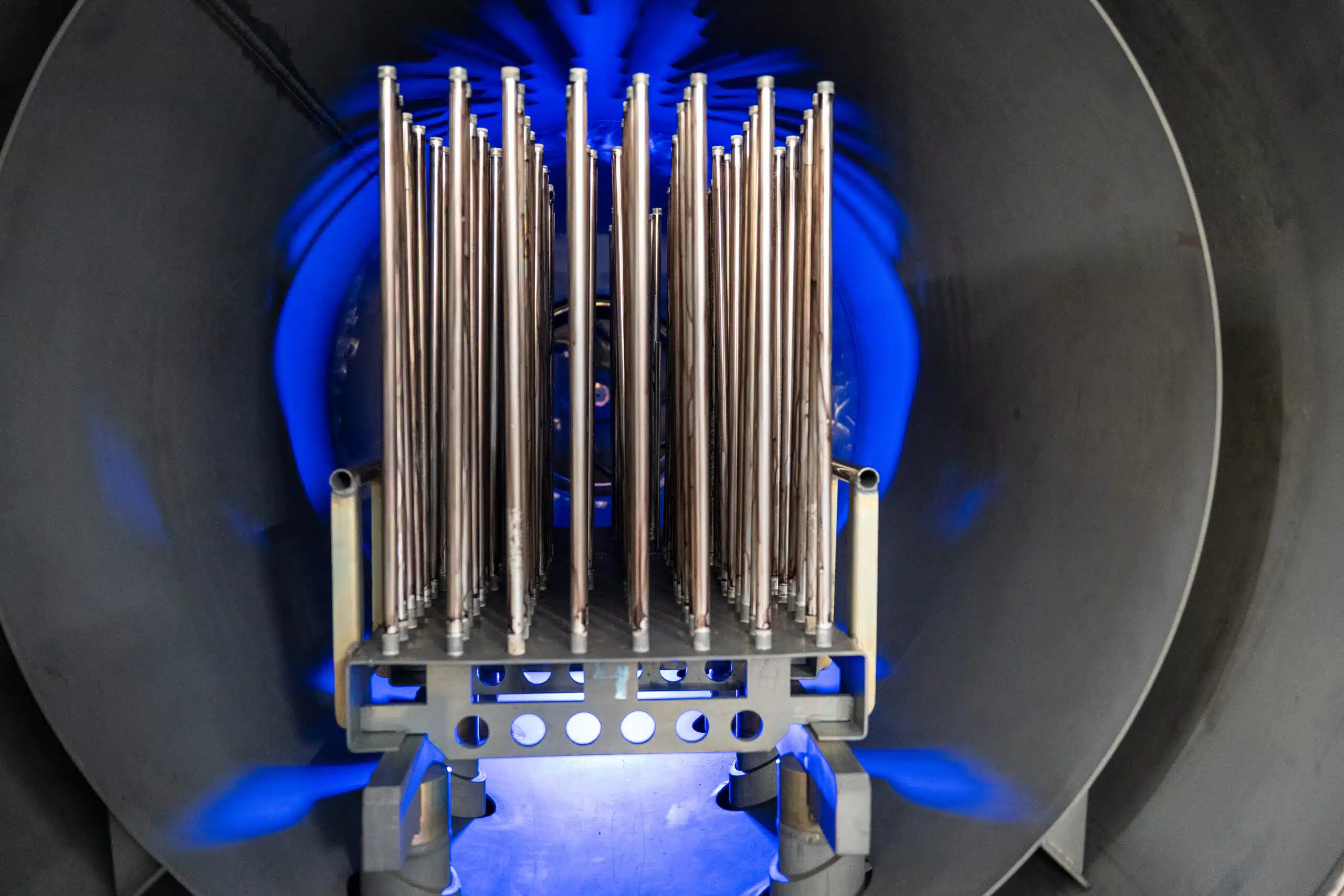
To produce hydrogen, the WGS reactor performs a chemical reaction within a packed bed reactor. The main difference between the WGS reactor and other types of reactors is not structural, but rather linked to the reaction it performs: the water-gas shift reaction. This is where carbon monoxide and steam react to form carbon dioxide and hydrogen.
HYIELD has fundamentally changed the reactor game by integrating hydrogen-selective palladium membranes directly within the WGS reactor itself. This means that when hydrogen is produced, it immediately passes through the membrane instead of accumulating inside the reactor. In most WGS reactors, when hydrogen is produced in the reaction, it stays inside the reactor, slowing the reaction down because the water-gas shift reaction is an equilibrium reaction. Once enough hydrogen builds up, the reaction reaches a balance and stops converting CO, even if CO is still available. If you remove hydrogen as soon as it forms, the reaction never gets the chance to slow down. It keeps moving in the forward direction, making more hydrogen.
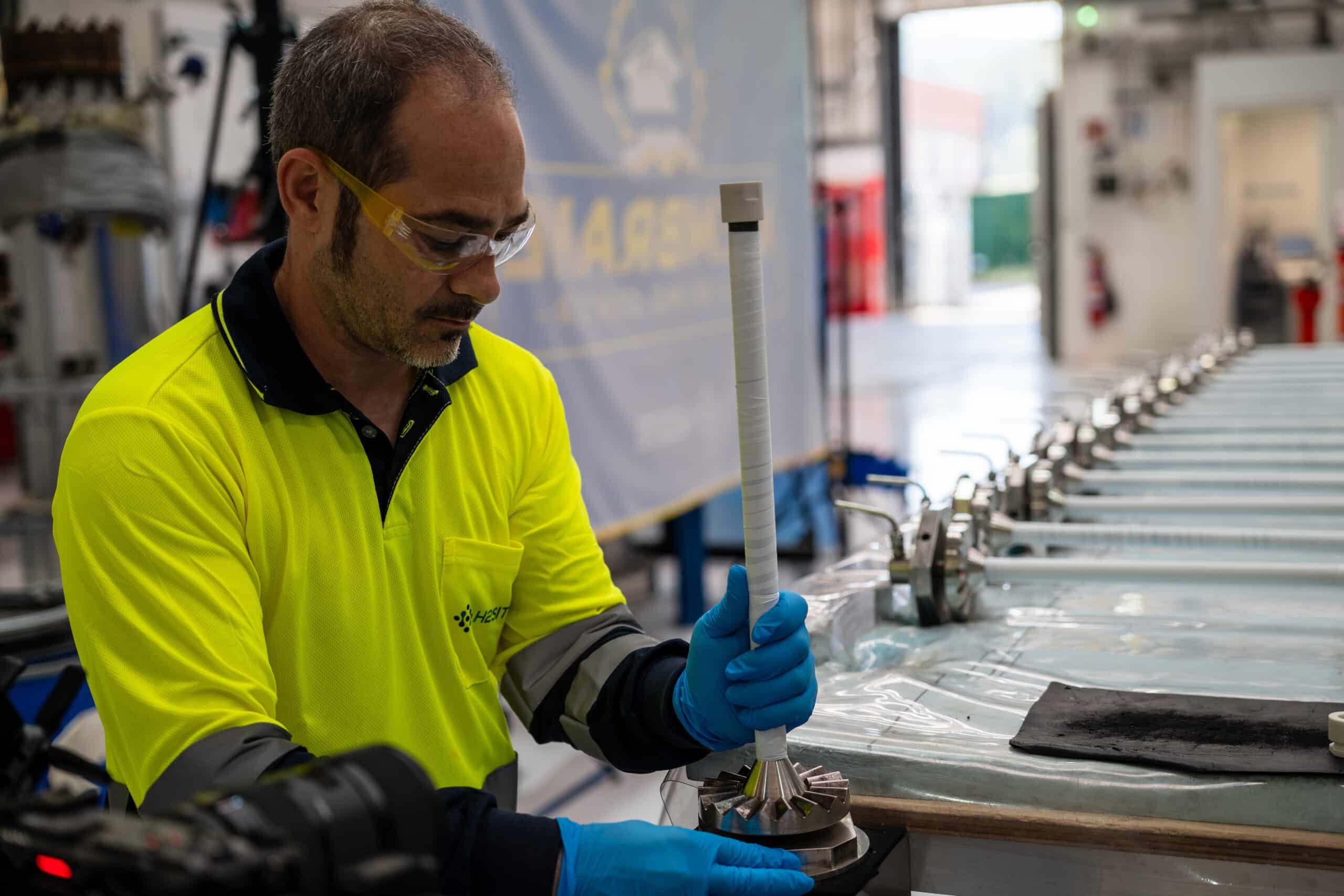
To achieve this, HYIELD relies on palladium-based membranes manufactured by H2SITE in their own production facility in Spain. This site is recognized as the first industrial plant designed specifically for large-scale manufacturing of tubular palladium-alloy membranes, making the technology both distinctive and commercially viable. While other membrane materials, such as carbon membranes or porous ceramics are used in hydrogen separation, they generally do not provide the same combination of hydrogen purity, selectivity, and reliability that palladium-alloy membranes can offer for demanding applications.
HYIELD is advancing hydrogen production beyond the current state of the art and moving toward a more efficient, more compact and more economically viable process for the future of clean hydrogen.